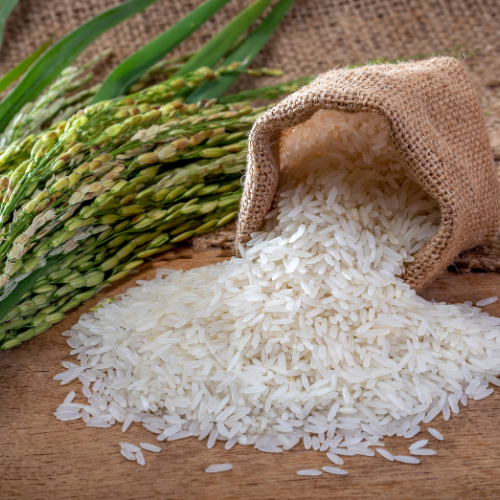
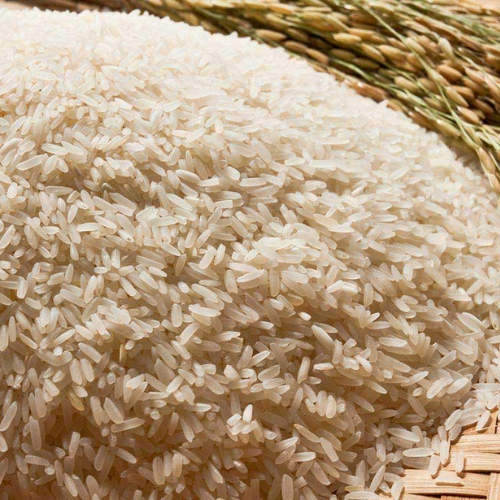
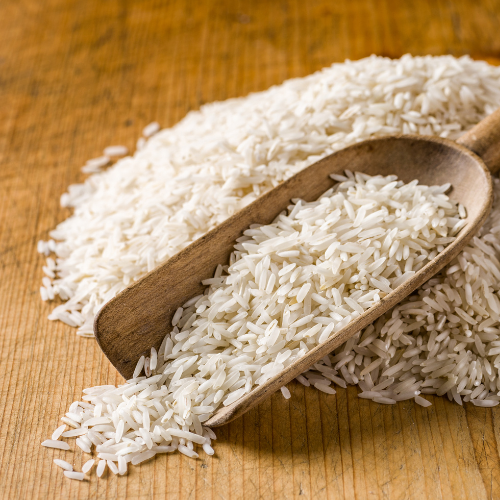
Non-Basmati Rice refers to a wide variety of rice grains that are shorter, thicker, and less aromatic compared to basmati rice. It is widely cultivated across India and other Asian countries, making it a staple food for daily consumption. Popular varieties include Sona Masoori, IR64, Ponni, and Swarna, each known for its unique texture and cooking properties. Non-basmati rice is generally more affordable and versatile, suitable for dishes like steamed rice, khichdi, idli, dosa, and other regional cuisines. Its grains can range from short to medium length and may be either soft or slightly sticky after cooking.
From a nutritional perspective, non-basmati rice is a good source of carbohydrates and provides essential energy for the body. It is low in fat and easy to digest, making it ideal for regular meals. Brown non-basmati rice varieties retain the bran layer, offering higher fiber content and better nutritional value. Due to its cost-effectiveness, wide availability, and adaptability in various recipes, non-basmati rice plays a crucial role in both domestic consumption and international export markets.
Non-Basmati Rice Varieties:
- IR 64 Rice
- Sona Masoori Rice
- Swarna Rice
- PR 11 Rice
- PR 14 Rice
- PR 26 Rice
- Ponni Rice
- Matta Rice (Kerala Red Rice)
- Kolam Rice
- HMT Rice
- Jeera Samba Rice
- Idli Rice
- Gobindobhog Rice
- Broken Rice
- White Rice
- Raw Rice
- Steam Rice
- Parboiled Rice
- Brown Rice
- Organic Non-Basmati Rice